[The third installment in an ongoing series of posts by Julia Barton about audio narratives. –Ed.]
A ghostly crowd of voices parades across the public radio airwaves every day: politicians and hosts, foreign correspondents, callers, singers. Sometimes they catch our interest, but as soon as one voice is gone and replaced by the next, it’s usually forgotten.
Not so the voices in Daniel Zwerdling’s stories. They persist. They are not especially remarkable people: a veteran’s wife who insists on huge holiday displays although her family is poor; a military doctor giving a dull PowerPoint demonstration. You may not remember their names, but you have imagined them – their voices stay alive in your mind.
This is because of something we call, in the business, “good tape.” Good tape is the golden currency of audio stories. Without it, they are just another forgettable drop in the day’s torrent of sound.
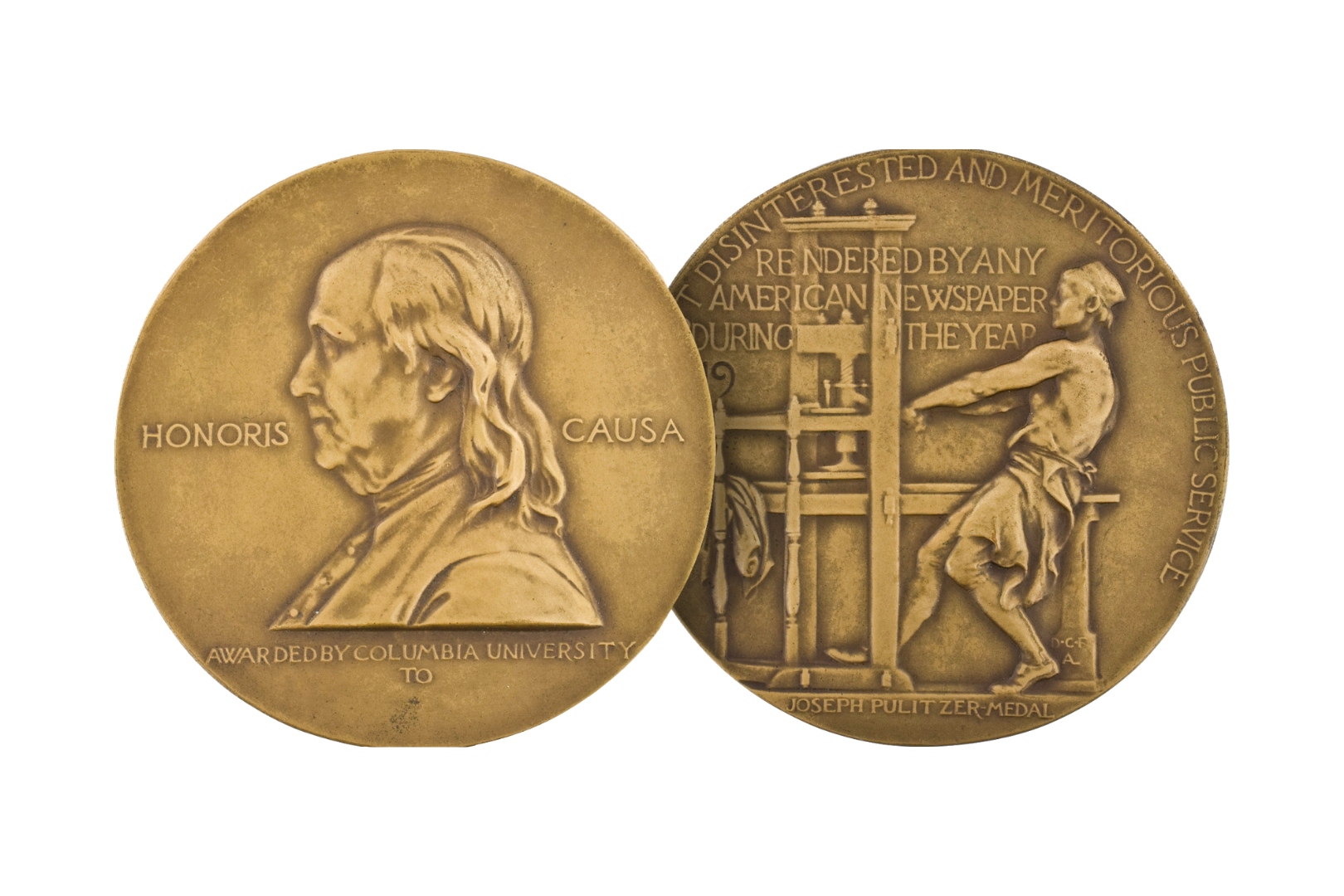
Zwerdling, who started out as a staff writer at The New Republic, is now part of NPR’s special investigative unit. Zwerdling’s reports on topics as diverse as NASA, pesticides and the Department of Homeland Security have won nearly every broadcast prize, including the DuPont, Peabody, Polk and IRE awards. Maybe it’s just the result of more than three decades in the field, but he seems to get great tape no matter what he puts on the air. So I called him to see if I could glean the Yoda-like secret of his craft.
Turns out, the Yoda thing is not exactly a joke.
“I’m short, and I have short, stubby arms,” Zwerdling admits in his trademark amiable voice. “And in order to mic (interview subjects) closely – because I always mic closely to get very clean sound – I sit right, like, almost on their laps. Big, burly generals will literally grab my arm and start pushing me away and say, ‘Do you have to do this?’ and I’ll say, ‘Yeah, I’m sorry, but it’ll make you sound better!’ I’ll sit right next to them, as close as I have to, to hold the microphone right at the side of their mouths. So it’s very intimate.”
Winners will be announced at the CRMA conference to be held May 19-21 in Las Vegas. Categories include everything from food writing to photography and design, but we were most interested in the feature, profile and reporting categories. Several people are finalists for stories we’ve already highlighted on the site, such as Pamela Colloff’s “Church Burners,” Justin Heckert’s “The Town That Blew Away” and Robert Sanchez’s “The Fire Next Door,” but there are also some nice entries from people we hadn’t noticed before.
How did he do it?
When did that idea first occur to you?
It’s time for our annual almost-spring listing of 2012 writing events and conferences. From California to Texas and Boston, there are options to work on your writing or storytelling skills coast to coast. Whether you want to sharpen up your scene-setting, peek into the world of multimedia, or just network with others who are devoted to narrative, we bet you can find what you’re looking for here.
And no wonder: Orlean’s most famous article is, in fact, not much of a story – in the sense that not much happens in it. But neither is the piece really a profile of John Laroche, the off-kilter orchid thief at the heart of the tale. “Orchid Fever” is, at root, a portrait of desire, a tribute to and cautionary tale of infatuation.